

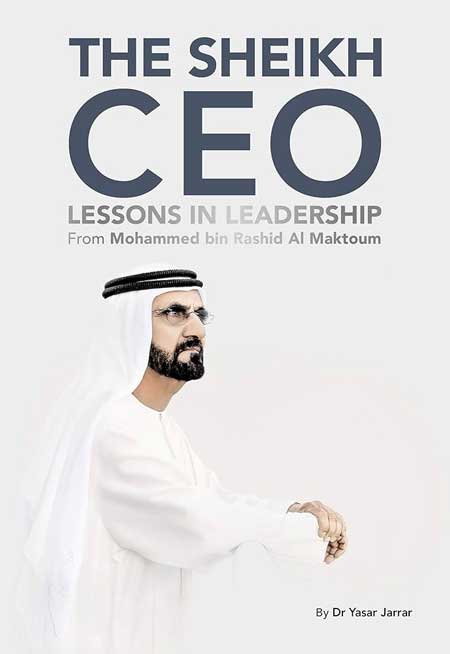
Dubai Was Engineered, Not Accidental: Lessons from The Sheikh CEO
One book I’ve read, bought multiple copies of, and gifted to friends who care deeply about leadership, strategy, and nation-building is The Sheikh CEO.
It offers a powerful lens into the leadership philosophy behind Dubai’s transformation into a global hub.
For many cities and nations, Dubai’s rise still feels almost impossible to comprehend.
But it wasn’t accidental.
It was engineered.
One of the most compelling ways to understand this journey is through the leadership philosophy of Mohammed bin Rashid Al Maktoum — often described as the “Sheikh CEO” mindset:
leading a nation with the clarity, ambition, and discipline of building a world-class enterprise.
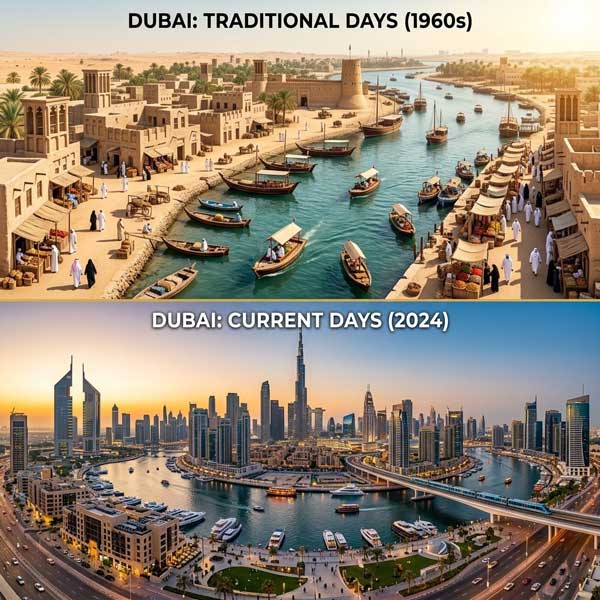
There are important lessons here for developing cities and countries everywhere:
1, Think in generations, not election cycles
Dubai’s rise was shaped by leaders thinking 30–50 years ahead. Projects like Burj Khalifa, Dubai International Airport, and Jebel Ali Port were never about short-term applause — they were about long-term positioning.
Lesson: Stop chasing headlines. Start building a legacy.
2. Speed of execution is a competitive advantage
“In the race for excellence, there is no finish line.”
Dubai built a culture where ideas don’t sit — they move. What takes decades elsewhere is often delivered in years.
Lesson: Vision without speed is just intention.
3. Government as an enabler, not a gatekeeper
Dubai became a magnet for talent, capital, and enterprise by reducing friction and creating opportunity.
Lesson: Growth happens when governments unlock, not control.
4. Think global from day one
Dubai never saw itself as local. It built global infrastructure, global brands, and global connectivity — with Emirates Airline as a prime example.
Lesson: Cities scale faster when they compete globally.
5. Ambition is the foundation of transformation
Perhaps the most powerful shift was psychological.
A belief reinforced consistently: “Impossible is only a challenge.”
That mindset shaped how institutions, businesses, and people approached growth.
Lesson: Before you transform a city, you transform how people think.
Dubai’s story proves something simple but powerful:
Cities are not built by resources alone.
They are built by vision, courage, leadership, and execution.
And for developing nations, this is the real takeaway:
The gap between what is and what could be is rarely filled by luck.
It is filled by leaders who dare to think bigger — and act faster.